

Happy Easter!
from the desk of Energy Politics

A Brief History of Easter
Energy Politics
Easter is one of Christianity’s most sacred holidays, marking the resurrection of Jesus Christ and symbolizing hope, renewal, and new life. Historical records trace the celebration as far back as the 2nd century, though it likely emerged earlier as part of the Church's evolving liturgical calendar.
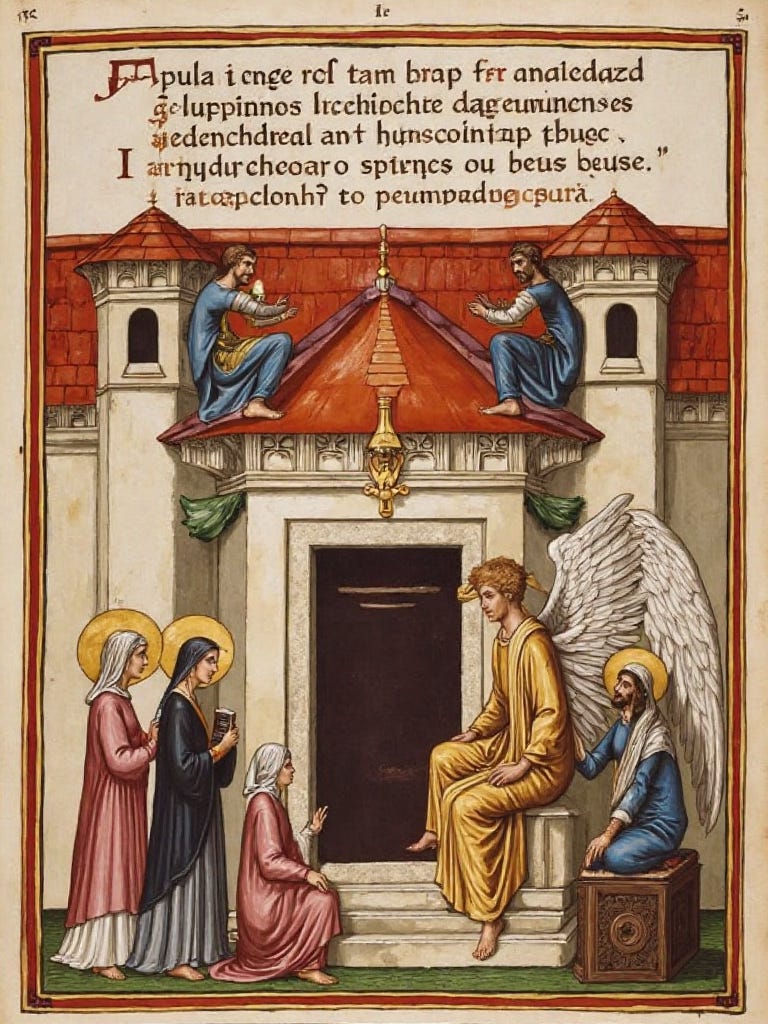
In modern times, Easter’s traditions reach beyond Christianity. Some customs—like eggs and hares—may have roots in older pagan spring festivals that celebrated fertility and the changing seasons. Even the word "Easter" is debated: some scholars trace it to Eostre, the name of an Anglo-Saxon spring goddess, while others argue it evolved from the Latin alba (meaning dawn), which was rendered as eostarum in Old High German.
Easter is what’s known as a “moveable feast”—its date changes each year depending on the moon, falling anywhere between March 22 and April 25. It begins with Good Friday, commemorating Christ’s crucifixion, and follows a 40-day period of Lent, marked by fasting and reflection. Whether you follow the Western (Gregorian) or Eastern (Julian) calendar, Easter carries deep significance around the globe.
In Scotland and Canada, Easter is a cherished time to gather with loved ones, enjoy the spring light returning, and indulge in time-honoured traditions—from hot cross buns to egg hunts on the village green. It’s a season that blends the sacred and the seasonal, reminding us all of the power of renewal.